One of the first things newcomers notice about San Mateo County: you can drive 15 minutes and go from fog and 58 degrees to sunshine and 78. The weather really does change from town to town, and sometimes from street to street. Here's a simple guide to how it works and what it means when you're choosing where to live.
Why the Peninsula has so many microclimates
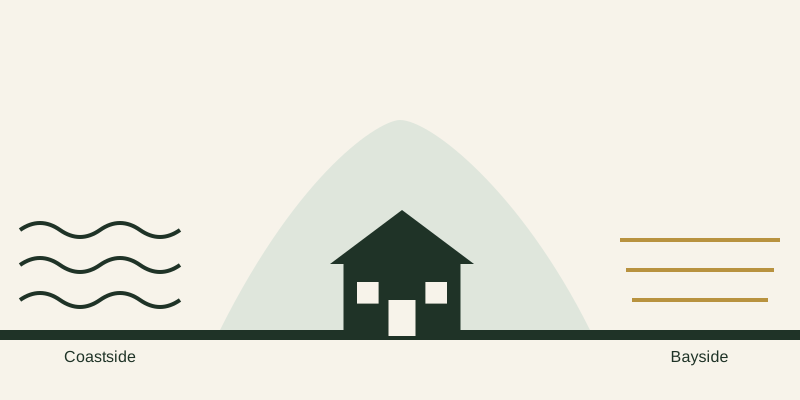
In summer, the inland valleys heat up and pull cool, foggy ocean air toward them. The Santa Cruz Mountains and the hills along the Peninsula's spine block much of that fog. Where the hills are low or there's a gap, fog pours through. Where the hills are high, the neighborhoods behind them stay sunny. That's the whole story in a nutshell: hills block fog, and gaps let it in.
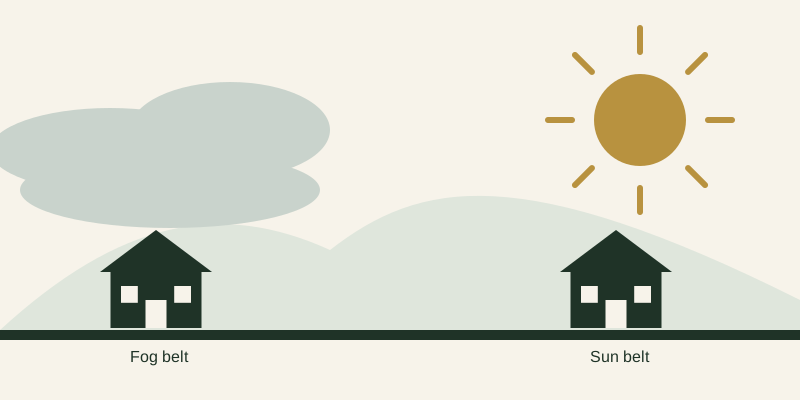
The fog belt
Daly City, Pacifica, and the western parts of South San Francisco get the most summer fog. Low hills near San Bruno create a natural gap that funnels ocean air toward the bay, which is also why SFO sees fog delays. On the coast, Half Moon Bay and the Midcoast are often cool and gray on summer mornings, with fall bringing their best weather.
The transition zone
Burlingame, Hillsborough, and San Mateo are where things start to change. Fog still visits, especially in the afternoon and evening, and west-side neighborhoods higher in the hills often see more of it than the flats. Head south through these cities and the sunny days start to add up.
The sun belt
From Belmont south through San Carlos, Redwood City, and Menlo Park, the hills to the west do a much better job of blocking the marine layer. Summers are warmer and clearer. Redwood City even adopted the slogan "Climate Best by Government Test" back in the 1920s, and it's still on the city's signs.
Neighborhood-level differences
Even within a city, weather varies. Homes higher in the western hills can sit in or above the fog, depending on elevation. Neighborhoods closer to the bay tend to get more afternoon wind. And canyon streets can be noticeably cooler than open ones nearby. When you tour homes, go at different times of day, ideally including a summer afternoon.
Does weather really affect price?
It's one factor among many, alongside schools, commute, and lot size, but it's a real one. Warmer, sunnier areas tend to be in higher demand, especially with families who want to use their backyards year-round. Foggier areas often offer more value for the money, which suits buyers who love cool summers and ocean air.
Picking your climate
There's no wrong answer, just personal preference. Some of my clients want a garden that thrives and a pool they'll actually use. Others want to never need air conditioning. If you're not sure where you land, spend a summer weekend moving from north to south along the Peninsula. You'll feel the difference fast. And if you'd like help matching a neighborhood to the weather you want, let's talk. You can also browse all the cities on my communities page.