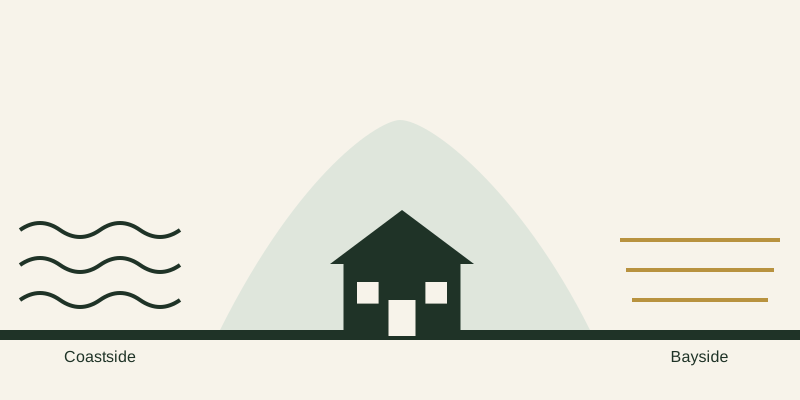
Most people who move to San Mateo County look at the Bayside cities along 101 and 280. But more and more buyers ask about the coast: Half Moon Bay, Pacifica, and the Midcoast towns like El Granada and Montara. They're only a few miles apart, but living on either side of the hill feels very different. Here's how they compare.
Price: more space for your money on the coast
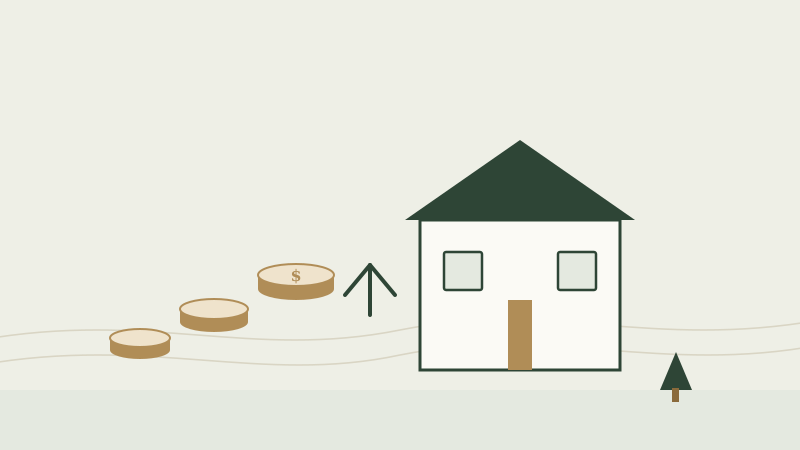
In general, your money goes further on the coast. Similar budgets often buy a bigger lot, a view, or more square footage than they would in Bayside cities like San Carlos, Burlingame, or Menlo Park. That's not true for every property. Ocean-view homes and places like Ocean Colony have their own premium. But it's the main reason buyers start looking west. Current numbers for each city are on my community pages.
Weather: be honest with yourself about fog
This is the biggest lifestyle difference, and it's the one to take seriously. Summer on the coast is often gray and cool, especially mornings, while the Bayside is warm and sunny. Fall is often the coast's best season, with clear, warm days. Some people love the ocean air and never want to be hot again. Others find a foggy July wears on them. Before you buy, spend a few summer weekday mornings on the coast, not just a sunny Saturday. More on this in my Peninsula microclimates guide.
Commute: it depends where you're going
Pacifica has a fairly direct shot north into San Francisco via Highway 1, plus quick access to 280 and to BART in Daly City. For many city commuters it works well.
Half Moon Bay and the Midcoast connect to the Bayside mainly over Highway 92, a two-lane road that can back up at commute hours and on busy weekends (pumpkin season is famous for it). If you'll commute to Silicon Valley or the Bayside every day, test-drive that commute at the actual time you'd do it. If you work from home most days, it matters much less. With Caltrain on the other side of the hill, there's no train on the coast itself.
Lifestyle: what people move for
Coastside: beaches, bluff-top trails, surfing, farms, a harbor, and a slower pace. Linda Mar beach is steps from a lot of homes, and Half Moon Bay's Main Street still feels like a small town.
Bayside: walkable downtowns, more restaurants and shopping, more school options, and shorter drives to jobs. Places like San Carlos or Burlingame give you that everyday convenience.
Coast-specific homework before you buy
- Coastal zone rules. Much of the coast is in California's coastal zone. Remodels and additions can take extra permitting and time.
- Bluff and erosion exposure. Some oceanfront areas, especially parts of Pacifica, deal with bluff erosion. Look at the property's history and the inspection reports closely.
- Utilities. Some unincorporated Midcoast properties have different water and sewer arrangements than a typical city lot. Confirm what's in place.
- Insurance. Get insurance quotes early, during your contingency period at the latest.
- Salt air. Siding, windows, and metal wear faster near the ocean. Budget for maintenance.
So which is right for you?
If you want space, nature, and a slower pace, and your commute is flexible, the coast can be a great fit and a better value. If you want sunshine, walkability, and an easy daily commute, the Bayside usually wins. Many of my clients look at both before deciding, and I'm glad to tour either side with you. Let's talk about what matters most to you.